RSS
RSS

















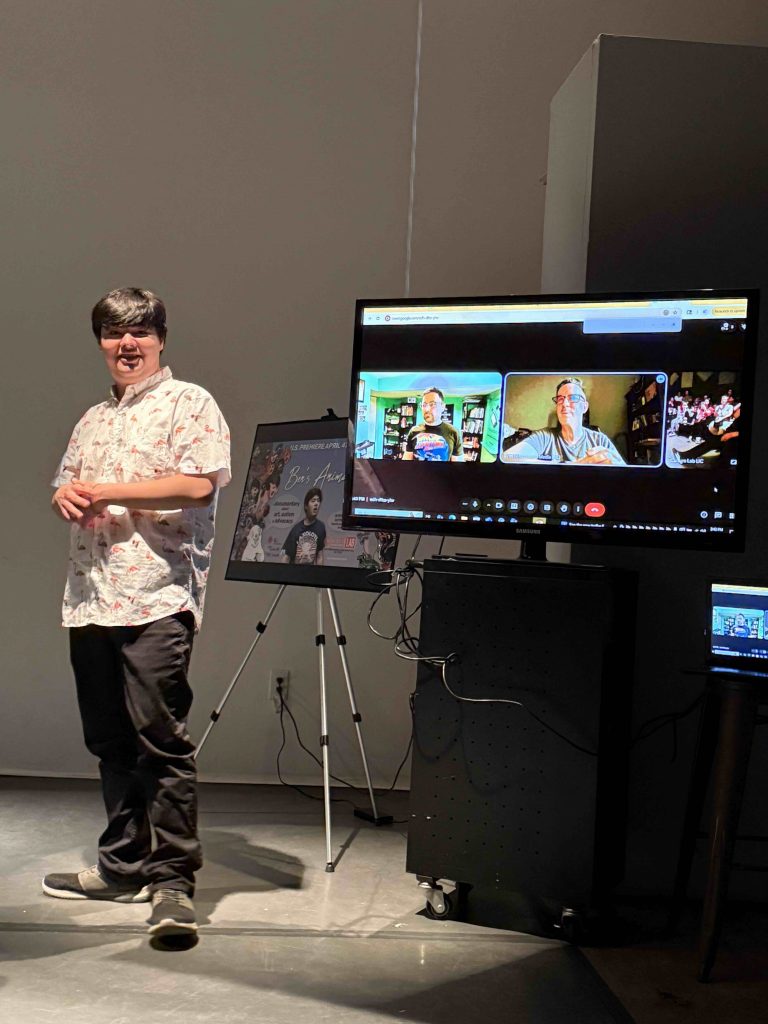
The U.S. premiere of “Ben’s Animals“ at Culture Lab LIC wasn’t just another documentary screening—it was a full-on sensory shift. Set against the raw, industrial backdrop of Long Island City, the event turned the gallery into a sanctuary for neurodiversity, pulling the audience directly into the vibrant, urgent world of artist Benjamin Lachapelle.
Directed by Evan Beloff, this 44-minute film did something rare: it moved past the clinical “autism talk” and replaced it with a celebration of Ben—the animal knower—and the fierce community that rises up to support him.
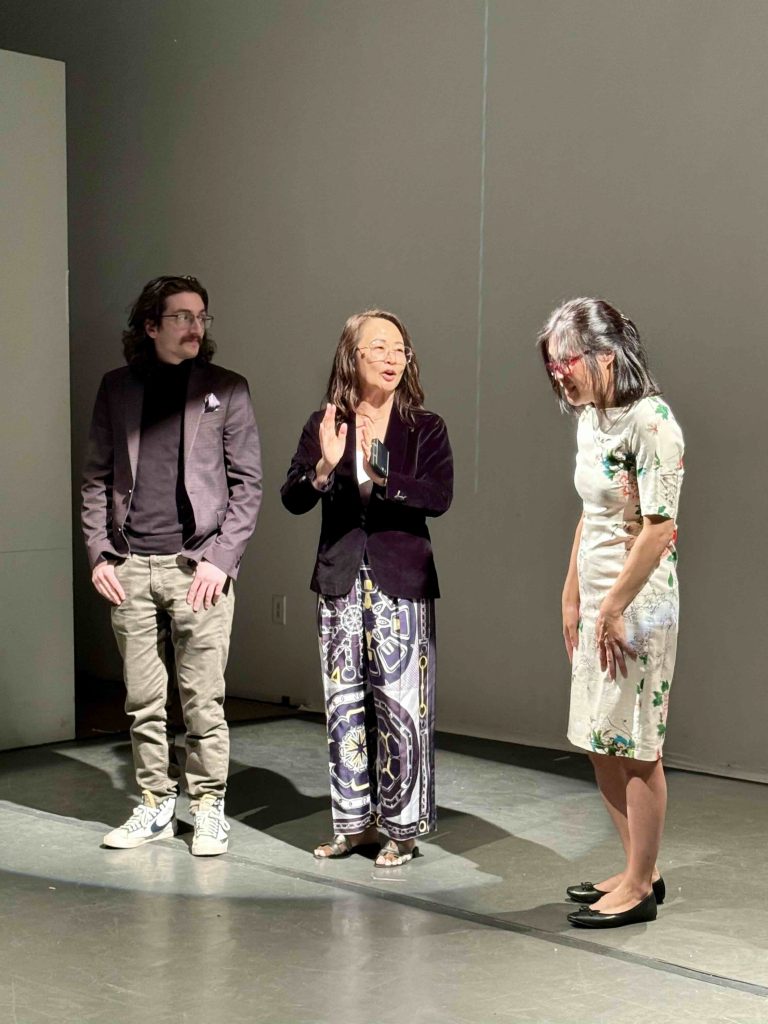
Turning “Fixation” Into Focus
The film hits hard by flipping the script on how we perceive neurodivergence. Instead of viewing Ben’s deep focus on animals as a “symptom” to be managed, the documentary frames it as his greatest strength. Through his “Extinction Protest Series™,” Ben displays a level of clarity and emotional depth that most of us are too busy to notice. People walked away from the screening not just feeling “aware” of autism, but genuinely accepting it as a vital, highly valuable way of seeing the world.
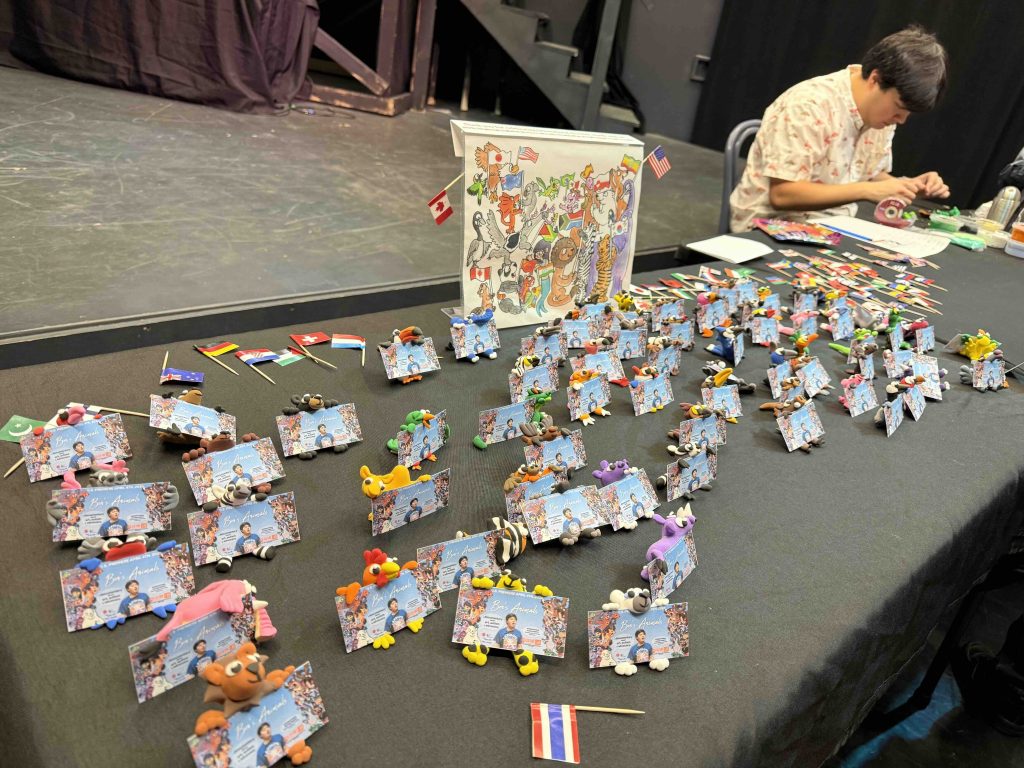
The Clay Animal Figures: Ben’s Living Language
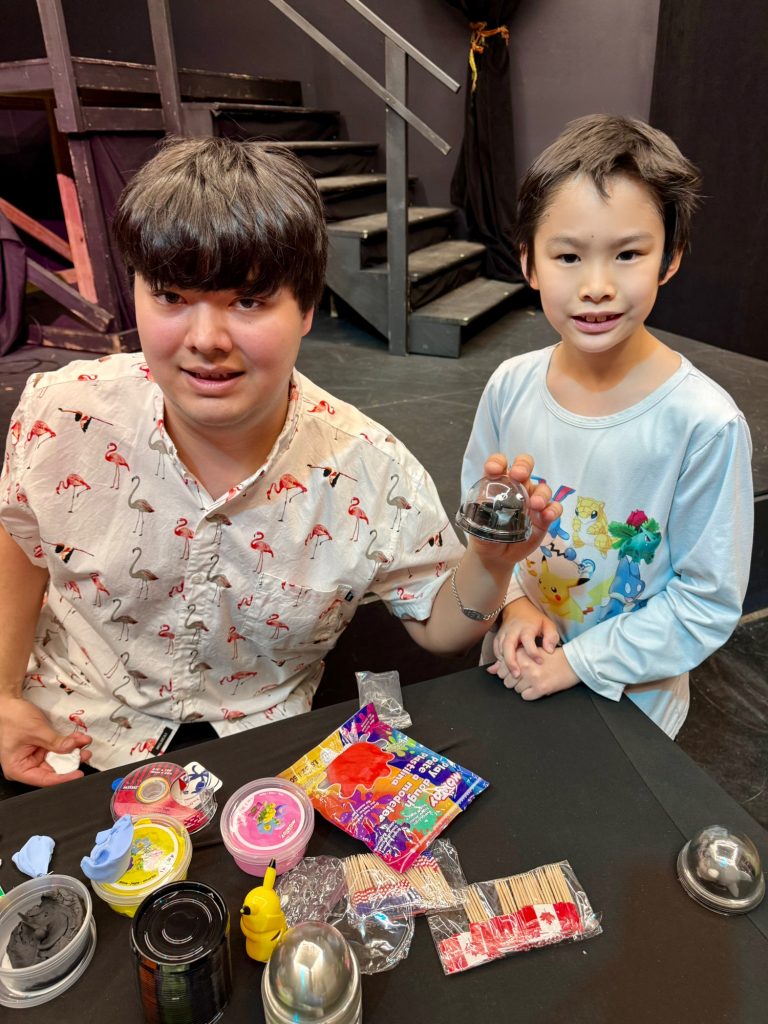
The energy in the room was palpable as Ben spent the event busy at work, hand-crafting clay figures for the many kids who flocked to see him. These weren’t just trinkets; each clay animal served as a representative of Ben himself—tangible proof of what it means to be unique and autistic. Watching him fulfill requests in real-time showed the audience that his art is his primary way of connecting with others, turning the gallery into a space where neurodiversity was shaped and shared by hand.
The Earth’s Moral Compass
There is a beautiful irony in Ben’s work. While society might label him “disabled,” his art suggests that it’s actually the rest of us who are “disabled” by our disconnect from nature. Inspired by UN reports on habitat loss, Ben’s work is a loud, colorful call to action. He feels the pain of the animal kingdom deeply, and it’s impossible to watch this film without feeling a renewed urgency to protect what’s left of our environment.
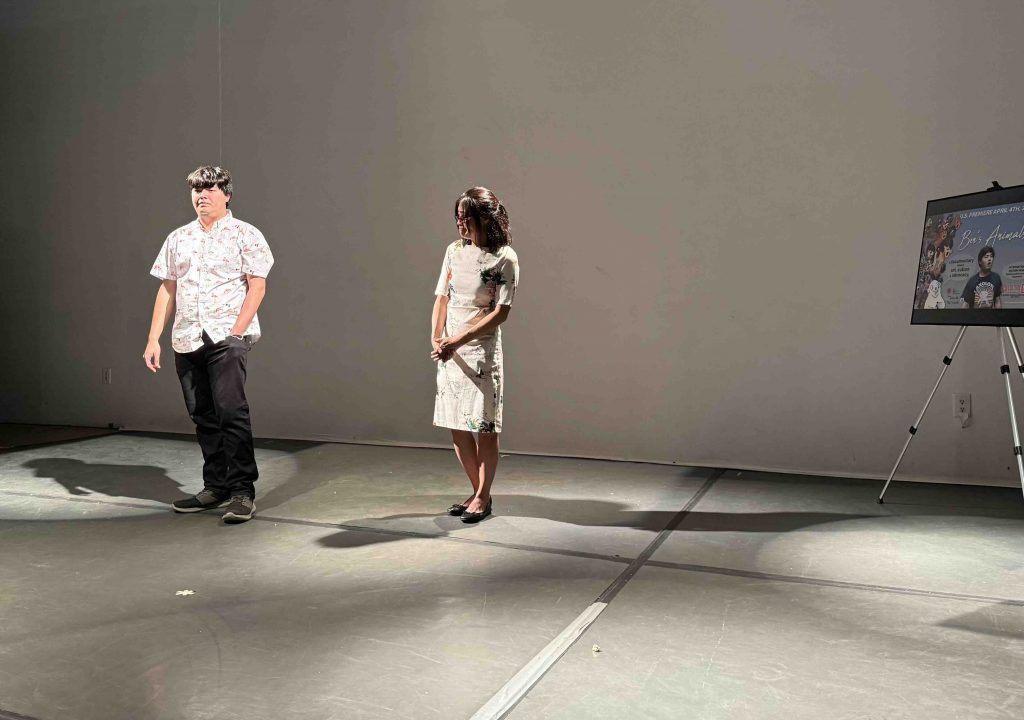
The Heartbeat: Julie Chou
At its core, Ben’s Animals is a story about the unwavering, fierce advocacy of his mother, Julie Chou. The film doesn’t sugarcoat the reality—it shows the exhaustion and the fragmented support systems families have to navigate. It captures that deep, universal prayer shared by many parents in the neurodivergent community: to live just one day longer than their child to ensure they are always safe. The screening turned into a rallying cry for the community to show up for caregivers. It transformed the narrative from one of a “struggling mom” to a powerful, collaborative partnership between mother and son.
“Ben’s Animals” didn’t just tell a story; it invited us to see the world through a better lens. It proved that when we actually support neurodivergent creators and the families who champion them, we don’t just help one person—we gain a visionary perspective that might just help save the planet.